
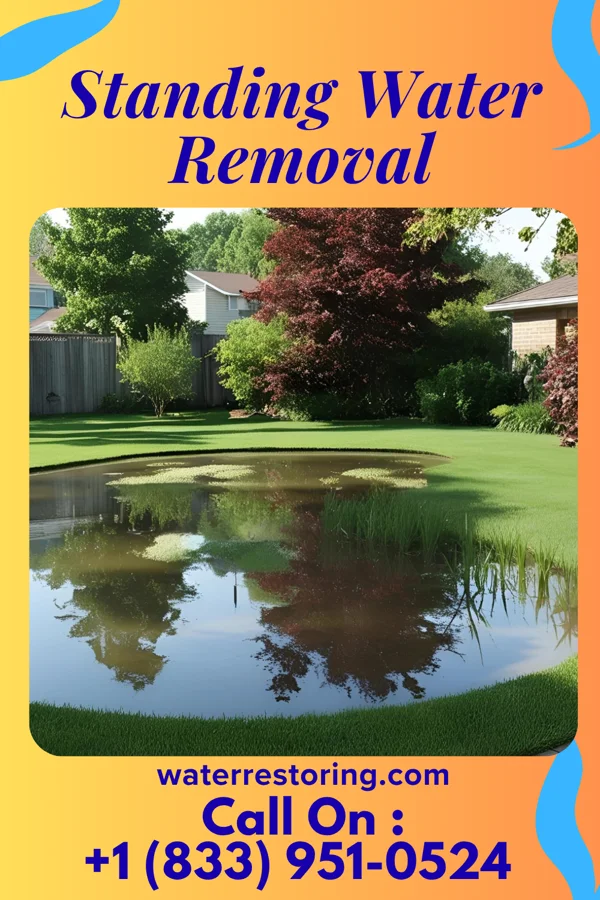
Why Dock Junction Standing Water Demands Fast Removal
Most water damage emergencies in Dock Junction start with In Dock Junction, Georgia, primary water damage often stems from residential plumbing failures, such as burst pipes and leaking water heaters, especially in older homes. Additionally, seasonal flooding from nearby rivers and stormwater runoff poses a significant threat to properties in low-lying areas.. A close second is Secondary causes include roof leaks during heavy rainfall, improperly maintained septic systems, and groundwater seepage into basements. These issues are common in the rural setting of Dock Junction, where infrastructure may be less robust.. From the second water touches the property, every minute changes what gets saved and what gets ripped out.
Dock Junction experiences a humid subtropical climate with frequent thunderstorms and heavy rainfall, increasing the risk of sudden water intrusion. The proximity to the Atlantic coast also means that saltwater intrusion can occur during severe weather events.
Most standing water removal calls in Dock Junction come from In Dock Junction, Georgia, primary water damage often stems from residential plumbing failures, such as burst pipes and leaking water heaters, especially in older homes. Additionally, seasonal flooding from nearby rivers and stormwater runoff poses a significant threat to properties in low-lying areas.. Running a close second is Secondary causes include roof leaks during heavy rainfall, improperly maintained septic systems, and groundwater seepage into basements. These issues are common in the rural setting of Dock Junction, where infrastructure may be less robust.. Local mold risk: Mold growth in Dock Junction can occur rapidly due to high humidity and frequent rainfall, making it critical to address water damage within 48 hours to prevent health hazards and structural damage.